
Agricotech · · 5 min read
Maize harvest, drying and storage: planning beyond the field
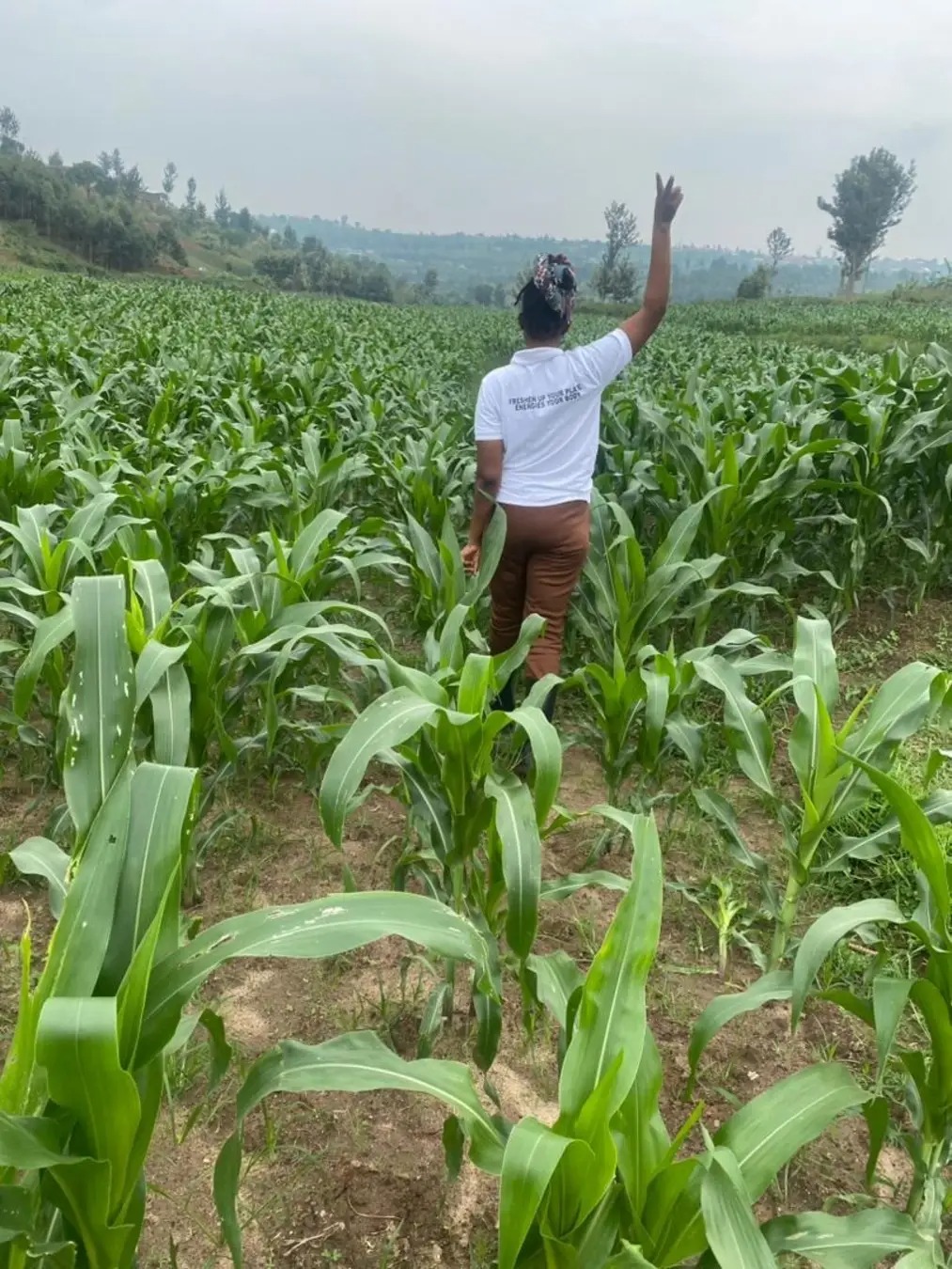
Planning a maize harvest should begin before the grain leaves the field. A productive crop still needs suitable handling, enough drying space, clean containers and a storage plan. Without those arrangements, weather and delays can create problems just as the farmer expects to turn the crop into food or income.
The photograph supplied by Agricotech shows a person among maize plants. It illustrates the field stage that comes before harvest. It is not evidence that the crop pictured is mature, dry or ready for storage. Readiness and grain condition must be assessed directly using the crop and appropriate records or measurements.
Plan the route from field to store
Work backwards from the intended use. Is the maize for household use, milling, sale or seed? Different buyers may have specific acceptance requirements, and seed requires its own handling advice. Confirm expectations before harvesting a large quantity so you know what must be measured and how the grain will be received.
Identify where maize can be dried, how it will be protected from rain and how it will reach storage. Arrange labour and clean containers before work begins. A basic plan should include what happens if weather changes or transport is delayed. Harvest planning is not simply choosing a day to enter the field.
Check maturity and moisture separately
Crop maturity and safe storage condition are not the same thing. Maize that has completed development may still contain too much moisture for storage. Ask an agronomist or trained buyer to demonstrate suitable maturity checks and arrange an appropriate moisture measurement where storage or sale depends on it.
Do not judge grain moisture only by biting a kernel, its colour or a sound made when it falls into a container. Such impressions are not a reliable replacement for a suitable meter and correct sampling. A measurement also needs context: storage duration, temperature, grain condition and the storage system influence the acceptable level.
Protect the harvest from soil and rain
Keep harvested material on a clean, suitable surface rather than bare ground. Use clean drying equipment or a appropriate tarpaulin where that suits local practice, and prevent animals, mud and dirty runoff from entering the drying area. Plan how to cover or move the crop before rainfall begins.
Spread and manage material so drying can take place evenly, following local technical guidance. Avoid creating a deep, neglected pile in which wetter areas remain hidden. Check conditions regularly and record drying progress. A dry-looking surface does not guarantee that every part of a batch has reached a suitable moisture level.
Sort before storage decisions
Separate visibly mouldy, badly damaged or insect-affected material and seek qualified advice about safe handling and disposal. Do not mix suspect grain into a clean batch to make the problem less visible. Sorting improves the information available, but appearance alone cannot prove that grain is safe to eat.
Some moulds can produce mycotoxins such as aflatoxins. These risks cannot always be detected by smell or sight. Drying helps reduce conditions that favour further fungal growth; it does not reliably remove toxins already present. Do not promise that cooking or milling will make a suspect batch safe. Where contamination is suspected, obtain appropriate testing or food-safety guidance.
Prepare the storage area
Clean the area and remove old residues that can harbour pests. Inspect containers, roofs and walls for damage and make sure rain or floor moisture cannot reach the grain. Store grain away from chemicals and other contamination sources. Keep lots identified so newly received material is not confused with older stock.
Choose a storage system suitable for the grain and your circumstances. Sealed or hermetic systems still require properly dried grain and correct use; sealing wet maize is not a shortcut around drying. Follow supplier instructions and local extension advice. For an ordinary store, inspect regularly without assuming that the absence of visible insects proves there is no problem.
Keep checking after the store is filled
Note unusual moisture, condensation, heating, insects, leaks or damaged packaging. If something changes, investigate promptly and seek advice before distributing the grain. Do not keep adding fresh material to a batch with an unexplained quality problem. Records should show when a lot entered storage and when it was inspected or moved.
Stock rotation can help reduce avoidable delays, but it does not replace quality checks. Grain intended for sale should meet the buyer requirements and applicable food-safety rules at the time of handover. Maintain an honest description of condition and never treat a sample photograph as proof of the quality of another batch.
Questions to settle before harvest
- What is the intended use and who will receive the grain?
- Where will drying take place if rain arrives?
- How will moisture be checked and recorded?
- Who will sort and assess suspect material?
- Is the storage system ready and suitable?
- Who will inspect the lot after storage?
The aim is to preserve the value already grown in the field. A small amount of preparation can prevent confusion at the busiest stage, but no storage method guarantees safety without proper grain condition, handling and follow-up.
Further reading
FAO: A guide to maize marketing for extension officers discusses drying, storage and marketing. FAO: Grain storage techniques provides technical background. Seek local advice for moisture limits, storage specifications and suspected contamination.